Pattaya condo common fees are the monthly or yearly charge every unit owner pays to run the building: the pool, lifts, security, cleaning, gardens and the juristic office itself. They are easy to overlook when you compare asking prices, yet they decide what a condo really costs you to hold each month. This guide explains how the fee is worked out, what it looks like in real listings on our site today, and what to check before you buy or rent.
Everything below is general information, not legal advice. For anything specific to your purchase, ask a Thai property lawyer.
What Are Pattaya Condo Common Fees?
Every registered condominium in Thailand is run by a juristic person, a legal body made up of all the co-owners and managed day to day by a building manager. Section 18 of the Condominium Act makes each co-owner share the common expenses of the building. In practice, that share is billed as the common area fee, often shortened to “common fee” or “CAM fee”.
The fee pays for the things no single owner controls: electricity for corridors and lifts, pool and gym upkeep, security guards, cleaners, building insurance, the juristic office staff and routine repairs. It does not cover your own unit’s electricity, water or internet, which are billed separately.
How Pattaya Condo Common Fees Are Calculated
The Act’s basic rule is that each owner pays in proportion to their ownership ratio, which in a condo follows unit size. That is why Pattaya condo common fees are usually quoted as a rate in baht per square metre per month. The rate is set from the building’s annual budget, which the owners approve at the general meeting.
The sum itself is simple: unit size × rate per sqm = monthly fee. A 48 sqm unit at 20 THB per sqm pays 960 THB a month. Some buildings invoice several months or a full year in advance, which is why a few listings quote the fee as a yearly figure.
A few smaller or older buildings simply quote a flat monthly amount instead of a per-sqm rate. Either way, the number you need is what that specific unit pays, so always ask for the latest invoice.
Real Pattaya Condo Common Fees From Our Current Listings
Rather than quote a vague “typical” range, here are figures taken from condos currently listed for sale on our website (October 2026). Each figure is the one stated in that listing; buildings can change their rates at any general meeting.
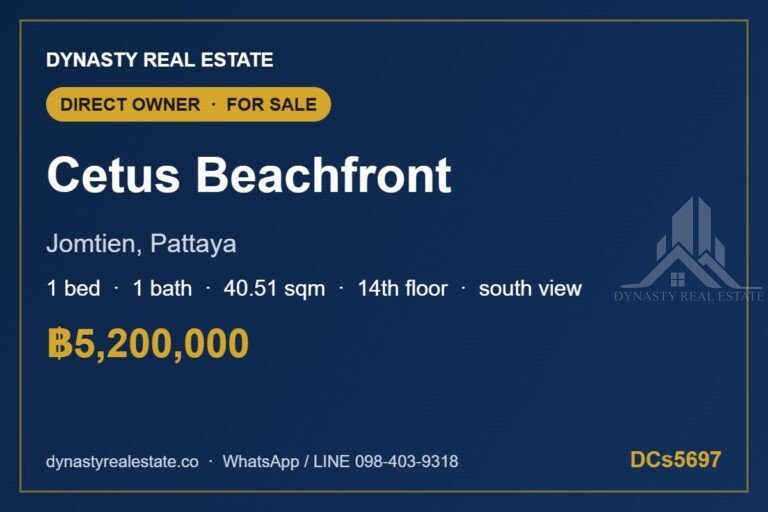
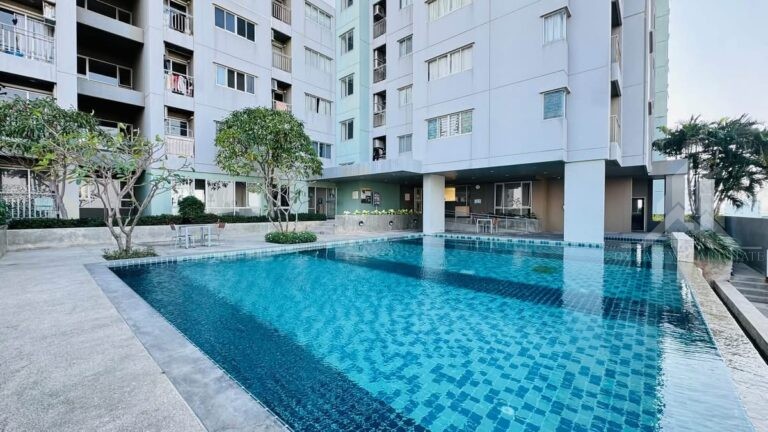
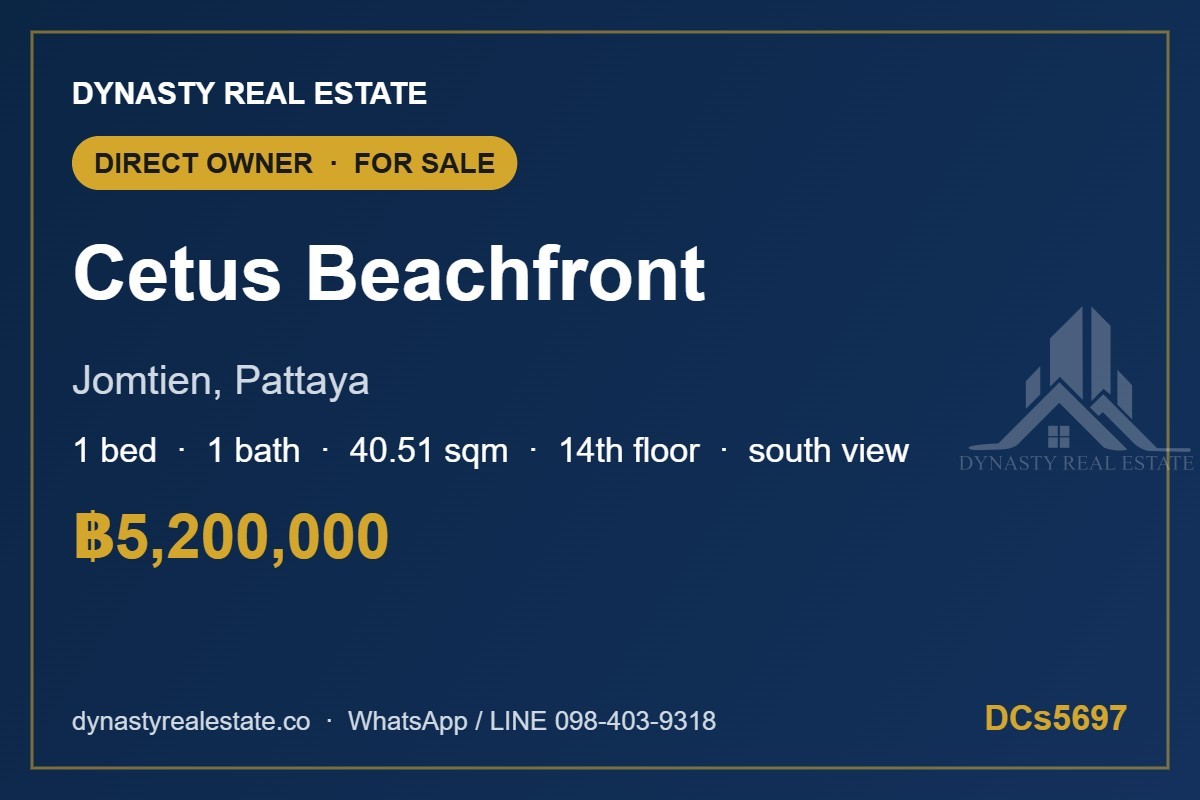
- Cetus Beachfront, Jomtien: 45 THB per sqm. On this 40.51 sqm unit that works out at about 1,823 THB a month.
- Lumpini Ville Nakluea–Wongamat: 25 THB per sqm.
- View Talay 6, Central Pattaya: 20 THB per sqm, or 960 THB a month on the 48 sqm unit.
- Jomtien Sweet Condotel 2, Pratamnak: 13,440 THB per year for a 32 sqm studio, which is 1,120 THB a month.
- Spanish Place, Central Pattaya: a flat 500 THB per month for a 27.6 sqm unit.
The pattern is clear. A beachfront tower with full facilities sits at the top of the range, while older or smaller buildings are much cheaper to hold. A lower fee is not automatically better: it can also mean less maintenance. Compare it with the age and condition of the building. Our Pattaya property budget guide shows what you can buy at each price level.
The Sinking Fund: A One-Off Payment Buyers Often Miss
Alongside the monthly fee, most buildings hold a sinking fund, a reserve for major works such as roof repairs, lift replacement or repainting the facade. It is usually paid once, when a unit is first transferred from the developer, at a rate set in the sale contract.
If you buy a new unit from a developer, budget for it on top of the price and the transfer costs. If you buy a resale unit, the sinking fund has normally been paid already, but check. If the fund runs low, the general meeting can vote for a special levy, and the owner at that time pays it.
To see the full cost of buying, including transfer fee and taxes, use our Pattaya property buying cost calculator.
What Happens If Pattaya Condo Common Fees Are Not Paid
Unpaid fees stay attached to the unit, and this matters most when it changes hands. The Land Office will not register the transfer of a condominium unit without a debt-free certificate from the juristic person. It is listed among the documents required for condo registration on the official Thailand government portal, so the seller has to clear any arrears before completion.
Late payment can also be expensive. According to this Thai law firm’s guide to common area fees and sinking funds, arrears can carry a surcharge of up to 12% a year, rising to up to 20% a year once they reach six months, when the building may also suspend common services. Ask a lawyer how this applies to a specific case.
Before you pay a deposit on any resale condo, check these points:
- The current rate per sqm and the date of the last increase.
- Whether the seller’s account is fully paid, and who pays any months already billed in advance.
- Whether the sinking fund was paid on the unit and how healthy the building’s reserve is.
- Any special levy approved at a recent general meeting.
- For foreign buyers, the foreign quota position, confirmed in writing. Our foreigner quota condo guide explains how.
Common Fees for Renters and House Buyers
If you rent, the owner normally pays the Pattaya condo common fees and the cost is built into your rent. Some listings say so directly; one of our Grande Caribbean rentals, for example, states there is no common fee for the tenant. Always confirm this in the lease. Browse current options on our Pattaya property for rent page, or plan your monthly costs with the Pattaya rental budget guide.
Houses in gated villages often have a common fee too, usually a flat monthly amount for security, roads and shared pools. Examples from our current listings include 900 THB a month at Eakamongkol 8 in Jomtien and 1,000 THB a month at Pattaya Tropical Village 2. Some villages charge nothing at all. If you are weighing the two property types, read condo vs house in Pattaya.
If you are selling, have your account cleared and your debt-free certificate requested early, as our sell your Pattaya property page explains. A buyer’s lawyer will ask for it.
Frequently Asked Questions
How much are Pattaya condo common fees?
They vary by building. In our current listings the rates run from 20 THB per sqm (View Talay 6) to 45 THB per sqm (Cetus Beachfront), with some older buildings charging a flat 500 THB a month. Always check the latest invoice for the unit you want.
Who sets the common fee?
The co-owners do. The building’s budget and the rate per sqm are approved at the general meeting of the juristic person, so Pattaya condo common fees can go up or down from year to year.
Is the sinking fund the same as the common fee?
No. The common fee is a recurring charge for running costs. The sinking fund is usually a one-off payment at the first transfer from the developer, held in reserve for major repairs.
Can I transfer a condo with unpaid common fees?
Not until they are cleared. The Land Office requires a debt-free certificate from the juristic person to register the transfer, so arrears are normally settled before or at completion.
Do tenants pay Pattaya condo common fees?
Usually not. The owner pays and the cost is reflected in the rent. Your lease should say so clearly, along with who pays electricity and water.
Compare Running Costs Before You Choose
The cheapest asking price is not always the cheapest condo to own once Pattaya condo common fees are added. We can tell you the common fee, the sinking fund position and the quota status for any unit on our Pattaya property for sale page or our direct listings from owners, so you can compare like with like.
Contact Dynasty Real Estate on WhatsApp +66 98 403 9318 or LINE ID 0984039318, and tell us the building or area you are considering.