If you plan to rent a condo in Pattaya, the good news is that foreigners rent condos here every day and the process is usually quick. The less obvious part is the paperwork around it: deposits, contract length, utility bills and the TM30 address report. This guide walks through each step in plain English, using real rental terms from listings we manage today, so you know what to expect before you sign.
Step 1: Set Your Budget and Choose an Area
Before you rent a condo in Pattaya, start with a monthly figure you are comfortable with, then add electricity, water and internet on top. In most Pattaya condos these are not included in the rent, so budget for them separately.
Area matters as much as price. Jomtien has a long beach and a big long-stay community, Pratamnak is quieter and greener, Wongamat and Naklua are known for beachfront towers, and Central or South Pattaya put you close to shopping and nightlife. Our Pattaya rental budget guide shows what each price band usually gets you, and the Jomtien area guide is a good place to start if you want to be near the beach.
To give you a real reference point, these are asking rents on condos Dynasty Real Estate is currently offering (October 2026):
- Supalai Mare Pattaya studio, 33 sqm, 17th floor: 10,000 THB per month
- Laguna Beach Resort 2, 1 bedroom, 40 sqm: 15,000 THB per month
- The Riviera Jomtien, 1 bedroom: 18,000 THB per month
Prices and availability change quickly, so treat these as examples, not a price list.
Step 2: Decide on Short-Term or Long-Term
If you rent a condo in Pattaya long term, the lease is usually agreed for six or twelve months. A one-year contract normally gets you the best monthly price, and it is what most owners prefer. Several of the listings above are offered on a 1-year lease.
Monthly or short stays are possible in some buildings, but the rent per month is usually higher and not every condo allows them. If you are unsure which area suits you, a shorter first lease can be a sensible way to test the neighbourhood before committing to a year, or before deciding to buy.
Step 3: View the Condo and Check the Details
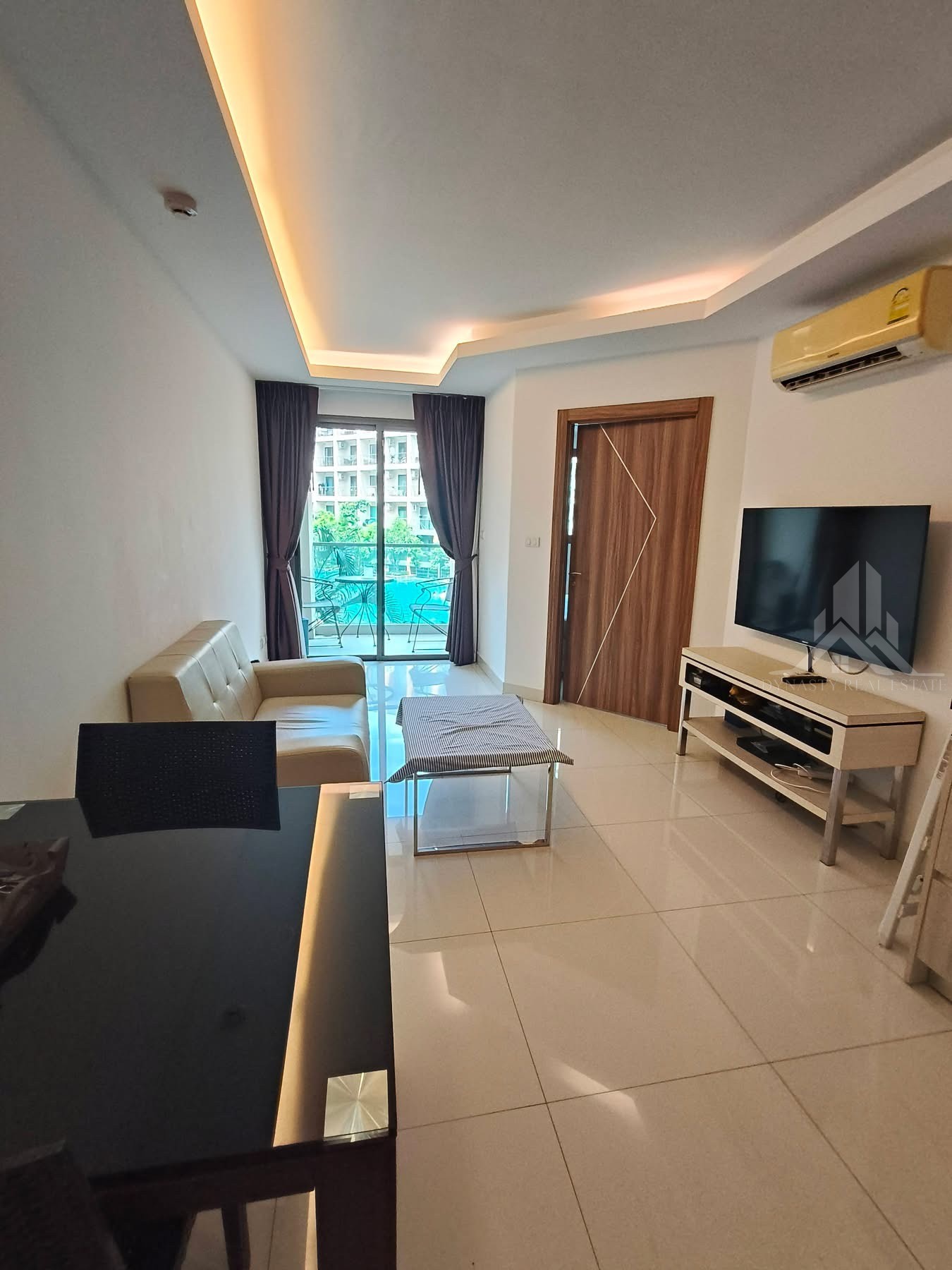
Photos rarely tell the whole story. When you view a unit before you rent a condo in Pattaya, take a few minutes to check the things that affect daily life:
- Air conditioners in every room work and are clean
- Hot water, water pressure and drains in the bathroom and kitchen
- Signs of damp or leaks around windows and ceilings
- The furniture and appliances that come with the unit (write them down)
- Building rules on pets, guests, parking and key cards
- Who pays the common area fee (usually the owner, but confirm it)
Ask how electricity and water will be billed: directly from the meter, through the building office, or by the owner. This is one of the most common points of confusion for new tenants.
Deposit and Advance Rent When You Rent a Condo in Pattaya
Most landlords ask for a security deposit plus the first month’s rent in advance before handing over the keys. A two-month deposit is common. The Supalai Mare studio above, for example, asks for a 2-month deposit and 1 month in advance, so the move-in payment is 30,000 THB on a 10,000 THB rent.
Thailand also has consumer protection rules for residential leases. A Consumer Protection Board notification that took effect on 4 September 2025 applies to lessors with at least three residential units. According to law firm Tilleke & Gibbins, for monthly leases it caps the deposit and advance rent together at three months’ rent, requires the deposit to be returned at the end of the lease (within 7 days if there is no damage, or 14 days if there is), and bars utility charges above official tariffs.
Many condos are let by private owners with only one or two units, who may fall outside that notification. Either way, get the deposit terms in writing and keep every receipt.
Step 4: Read the Lease Contract Carefully
A good lease is short and clear. Whenever you rent a condo in Pattaya, make sure the contract states:
- The names of both parties and the unit number
- Monthly rent, due date and how to pay
- Deposit amount and when and how it is returned
- Lease start and end dates, and any notice period
- What happens if you leave early
- Who pays for repairs and appliance breakdowns
- An inventory of furniture and appliances, ideally with photos
Ask for an English version or a bilingual contract if you do not read Thai. Under Section 538 of the Thai Civil and Commercial Code, a lease of immovable property needs written evidence to be enforceable, and a lease of more than three years must be registered or it can only be enforced for three years. That is rarely an issue for a normal one-year rental, but it matters if anyone offers you a long multi-year deal. For anything unusual, speak to a Thai lawyer.
Step 5: Move In, TM30 and Utilities
On handover day, walk through the unit with the owner or agent, test everything and photograph any existing marks or damage. Note the electricity and water meter readings so your first bill starts from the right number.
The TM30 is the address report for foreigners. Under Section 38 of the Immigration Act B.E. 2522 (1979), house owners, heads of household and landlords who host a foreign national must notify immigration within 24 hours, as explained on the Thailand BOI one-stop service FAQ. In practice the owner or their agent files it, but ask for a copy of the receipt. You may need it for visa extensions and other immigration matters.
Common Mistakes to Avoid When You Rent a Condo in Pattaya
- Paying a deposit before seeing the unit or a written agreement
- Not recording the condition of the unit at move-in
- Assuming internet, cleaning or the common fee are included
- Signing a contract you cannot read
- Forgetting to ask for the TM30 receipt
An agent who knows the building can save you time here. We confirm rental terms with the owner before each viewing, so you know the real price before you travel to see a unit. You can browse everything currently available on our Pattaya property for rent page, or see long-term options in Jomtien condos for rent.
If renting is a first step towards owning, our Pattaya property for sale hub explains what foreigners can buy and where.
Frequently Asked Questions
Can a foreigner rent a condo in Pattaya on a tourist visa?
Yes. Owners generally ask for your passport and the deposit rather than a specific visa type. Your lease should still match the time you are allowed to stay in Thailand, so check your visa dates before signing a one-year contract.
How much deposit do I need to rent a condo in Pattaya?
Commonly two months’ rent as a deposit plus the first month in advance, but terms vary by owner. Always confirm the amount and the refund conditions in the contract.
Are electricity and water included in the rent?
Usually not. In most long-term rentals the tenant pays electricity and water on top of the rent. Ask how they are billed and keep the meter readings from your move-in day.
Who files the TM30 form?
The law places the duty on the house owner, head of household or landlord, who must notify immigration within 24 hours of a foreigner moving in. Ask your landlord or agent for a copy of the receipt.
Can I leave before my lease ends?
It depends on the contract. Many leases say the deposit is kept if you leave early, so read that clause carefully, and agree any early-exit terms in writing before you sign.
Find Your Pattaya Rental With Dynasty Real Estate
Ready to rent a condo in Pattaya? Tell us your budget, preferred area and move-in date, and we will send matching condos with clear terms on rent, deposit and lease length. Message us on WhatsApp at +66 98 403 9318 or on LINE at 0984039318. You can also see owner-direct options on our direct listings page.