Leasehold vs freehold in Thailand is one of the first questions a foreign buyer runs into in Pattaya. The short answer: a foreigner can own a condo unit freehold within the building’s foreign quota, but cannot own land in their own name, so houses and villas are usually held on a registered lease of up to 30 years. This guide to leasehold vs freehold in Thailand explains how each option works, what it costs at the Land Office and which suits which kind of property.
Leasehold vs Freehold in Thailand: The Basic Difference
Freehold means you own the property outright, with no end date. It can be sold, mortgaged where a lender agrees, and left to your heirs. For foreigners in Thailand, freehold is realistically available for one type of property: a condominium unit registered in a building’s foreign quota.
Leasehold means someone else owns the property and you hold a registered right to use it for a fixed term. The landowner keeps the title deed, and your lease is recorded on it at the Land Office. You pay rent, very often the whole term upfront, and at the end of the term the right ends unless a new lease is agreed.
The reason the leasehold vs freehold in Thailand split exists is the land rule. Under the Land Code, foreigners generally cannot acquire land in their own name, apart from narrow exceptions that almost no home buyer uses. Buildings and condo units are treated differently, which is why the two structures sit side by side in Pattaya.
How Freehold Condo Ownership Works for Foreigners
The Condominium Act lets foreign nationals own condo units freehold, provided the total foreign-owned area in a building stays at or below 49% of the combined floor area of all units. Once that share is used up, remaining units can only be sold to Thai buyers. Our guide to the foreigner quota for Pattaya condos shows how to check quota before paying a deposit.
To register a unit in the foreign quota, the purchase money normally has to arrive in Thailand from abroad in foreign currency, with the bank paperwork to prove it. We explain the steps in how to transfer money to Thailand to buy a condo.
Freehold transfer costs are worked out on the Land Department’s appraised value. The transfer fee is 2%, usually split between buyer and seller, and the seller’s taxes (specific business tax or stamp duty, plus withholding tax) are often negotiated into the deal. You can estimate the full amount with our Pattaya property buying cost calculator.
How a Registered Leasehold Works
Section 540 of the Civil and Commercial Code caps a lease of land or buildings at 30 years. It can be renewed, but each renewal can again run for no more than 30 years from the date of renewal. A contract that says 50 or 99 years is treated as 30.
Registration is not optional in practice. Under Section 538, a lease longer than three years must be in writing and registered with the competent official, or it can only be enforced for three years. A 30-year lease that was signed in an office but never taken to the Land Office is, in court, a three-year lease.
A registered lease is attached to the land, so it stays in force if the owner sells: the buyer takes over the landlord’s duties to you. A lease can only be registered on land that has a proper title document, which is why it pays to read our guide to Thai title deed types before you negotiate.
If you want the house itself to be yours, lawyers often pair the land lease with a registered superficies right, which lets you own a building on someone else’s land. Whether that suits your purchase is a question for your own lawyer, because the details of leasehold vs freehold in Thailand depend on the contract.
The 30+30+30 Lease: What the Supreme Court Decided
For years, villas in Pattaya were often marketed with “30+30+30” or “90-year” leases: a registered 30-year term plus promises, signed at the same time, of two more terms. In Supreme Court decision 4655/2566 the court held that renewal promises made upfront to get around the 30-year limit are void. The Australian-Thai Chamber of Commerce summary of the ruling sets out what it means for foreign lessees.
For anyone comparing leasehold vs freehold in Thailand, the practical takeaway is simple: price a leasehold villa as if the registered 30 years is all you get. A renewal at year 30 depends on whoever owns the land at that time agreeing to a new lease. Proposals to allow 99-year leases have been discussed by the government, but they were not law when this guide was written, so the 30-year limit still applies.
Land Office Costs: Freehold Transfer vs Lease Registration
Costs are another key point in leasehold vs freehold in Thailand, and the fees differ because they are calculated on different things. A freehold transfer is charged on the property’s appraised value. A lease registration is charged on the total rent for the whole term, including any key money.
- Freehold condo transfer: 2% transfer fee on the appraised value, plus the seller-side taxes described above.
- Lease registration: a registration fee of 1% of the total rent for the full term, plus 0.1% stamp duty on the same total.
- Example lease: a 30-year lease at 10,000 THB a month means 3,600,000 THB of total rent, so about 36,000 THB registration fee and 3,600 THB stamp duty.
By law the costs of a lease contract are shared equally unless the parties agree otherwise, so put who pays what in writing. The Department of Lands sets the official fee schedule, and the Land Office calculates the final figure on the day.
Which Should You Choose in Pattaya?
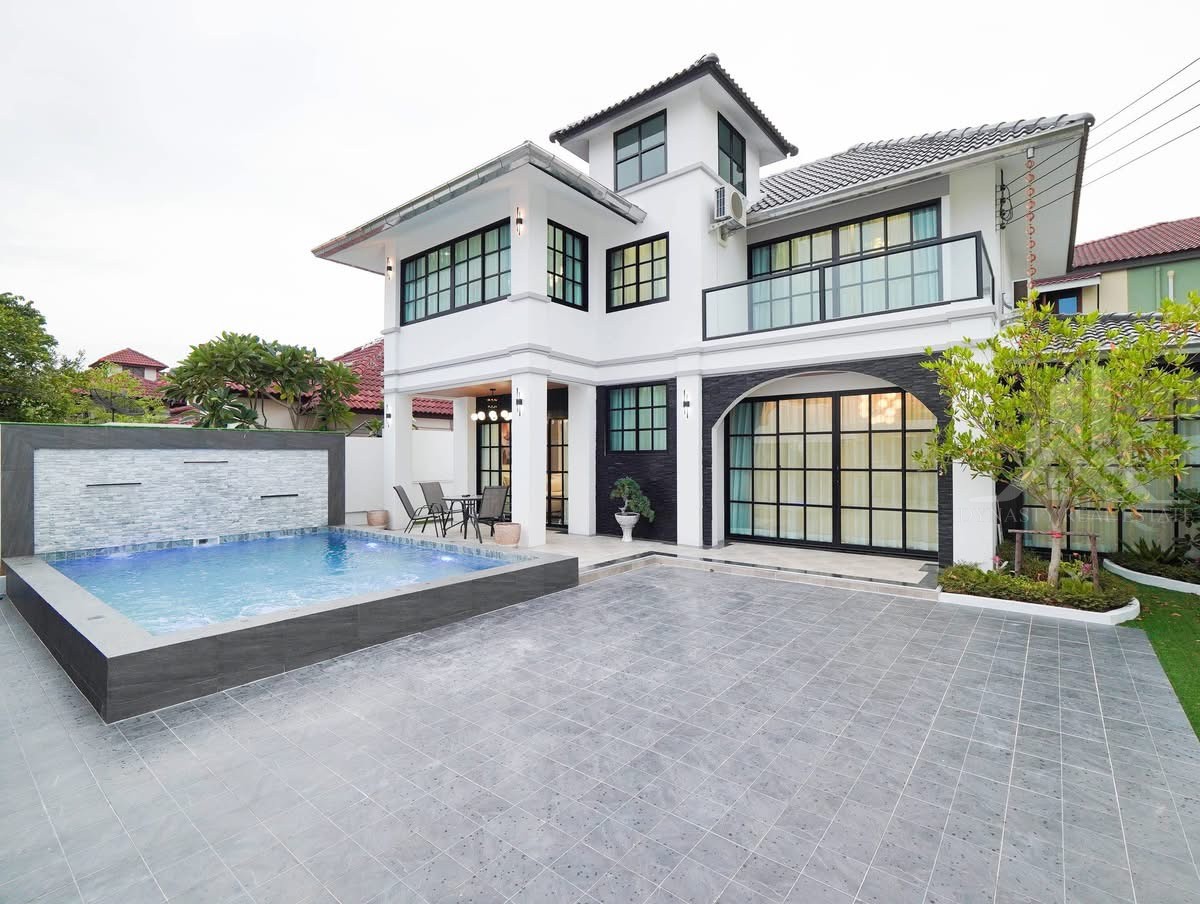
For most foreign buyers, the property type settles leasehold vs freehold in Thailand. If you want an apartment near the beach in Jomtien, Pratamnak or Wongamat, a foreign-quota condo gives you the strongest form of ownership available. If you want a house with a garden or a private pool in East Pattaya or Huay Yai, the land will stay in Thai hands and a registered lease is the usual route. Our comparison of condo vs house in Pattaya covers the lifestyle side of that choice.
Some buyers look at a Thai company structure instead. That route has its own rules, and a company with nominee Thai shareholders who do not really own their shares is illegal. Read Thai company vs foreign quota before considering it, and take independent legal advice.
On our site, every listing shows its ownership type. You can browse units marked foreigner ownership, see houses in the Huay Yai houses and villas guide, or start from all Pattaya property for sale.
Leasehold vs Freehold in Thailand: Checklist Before You Sign a Lease
- Check on the title deed that the lessor is the real registered owner, and look for existing mortgages or rights.
- Make sure the lease will be registered at the Land Office for its full term, not kept as a private contract.
- Ask whether the lease allows you to sublet or transfer it. Thai courts have treated a lease as personal to the tenant by default, so this clause affects whether it can pass to your heirs.
- Be careful with a lease from a Thai spouse: the Civil and Commercial Code lets either spouse cancel property contracts made between them during the marriage.
- Write down what happens to the house at the end of the term.
- Have your own lawyer, not the seller’s, read the Thai and English versions.
Frequently Asked Questions
Can a foreigner own a house and land in Thailand freehold?
Not the land, in normal circumstances, which is the heart of leasehold vs freehold in Thailand. A foreigner can own a building, and can hold the land under a registered lease of up to 30 years. Condo units within the foreign quota are the main freehold option.
Is a 30-year lease safe?
A properly registered 30-year lease from a genuine landowner is a recognised legal right and survives a sale of the land. The risk lies in unregistered leases and in paying for renewal periods the law does not guarantee.
Can I sell a leasehold villa later?
Only if the lease contract allows assignment or subletting. Without that clause you cannot pass the lease to a buyer, so check it before you sign.
Leasehold vs freehold in Thailand: is a foreign-quota condo better?
In terms of tenure, yes: freehold has no end date. But it only applies to condo units. If you want a house, the comparison is between leasehold and other structures, not between leasehold and freehold.
Does Dynasty Real Estate give legal advice?
No. We explain how ownership works in general and help you find suitable property, but the contract and structure should always be checked by an independent Thai property lawyer.
Talk to Dynasty Real Estate
Weighing leasehold vs freehold in Thailand for a specific condo or villa? Tell us what you are looking for and we will show you listings with the ownership type clearly marked, including our direct owner listings. Message Dynasty Real Estate on WhatsApp at +66 98 403 9318 or on LINE at 0984039318.